
At-Home Low-Level Laser Therapy for Pain Relief
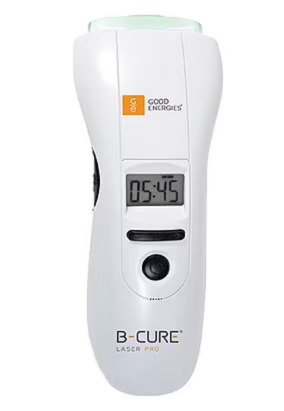
Chronic pain, sports injuries, post-surgical recovery, and stubborn inflammation can easily disrupt daily life. Many people don’t want to rely only on painkillers or repeated clinic visits, which is why home-use medical devices have become so popular. One of the better-known options in this category is the B-Cure Laser, a handheld, rechargeable device that uses low-level laser therapy (LLLT)—also called soft laser or photobiomodulation—to help reduce pain and support healing, without needles, heat, or medication. B-Cure Laser Global+1
What Is B-Cure Laser?
B-Cure Laser is a CE-marked, Class IIa medical device designed for self-treatment at home. It delivers a low-intensity, non-thermal laser beam that penetrates tissue and triggers biological processes in the cells—this process is known as biostimulation. The company positions it as suitable for acute and chronic pain, orthopedic problems, sports injuries, wounds, and even dental-related pain. Because it’s portable and rechargeable, one device can be used by several family members.
How Does It Work?
LLLT works differently from devices that heat the tissue. The laser energy is absorbed by cells and converted into biochemical energy (ATP), which may help:
- Reduce local inflammation
- Improve microcirculation
- Speed up tissue repair
- Decrease pain signals
This mechanism has been explored in multiple clinical trials on B-Cure Laser and on low-level laser therapy in general, showing reductions in pain and faster healing compared to sham or control groups.
Key Benefits Highlighted by the Brand
According to B-Cure Laser’s published materials, the main advantages include:
- Non-invasive and drug free – suitable for people who cannot or prefer not to take frequent pain medication.
- Clinically supported – the company cites studies on shoulder rehab, TMJ pain, and post-surgical recovery showing improved pain scores and faster rehabilitation.
- Short treatments – many protocols recommend around 6–8 minutes per area, twice a day.
- Cost-effective over time – once purchased, it can be used repeatedly for different pains and by different users.
- Safe for home use – the laser is non-ionizing, non-thermal, and designed with fixed parameters so the user does not have to “guess” the dose.
What Conditions Can It Help With?
People typically use B-Cure Laser for:
- Chronic joint or muscle pain (neck, shoulder, knee, lower back)
- Orthopedic conditions and overuse injuries
- Post-surgical recovery to help reduce pain and swelling
- Sports injuries, sprains, strains, and tendon issues
- Local inflammation or wounds to support healing
Clinical data on LLLT also shows benefits in arthritis and temporomandibular joint (TMJ) pain, which aligns with some of the B-Cure case studies.
How to Use It
Usage can vary slightly by model, but the general routine is simple:
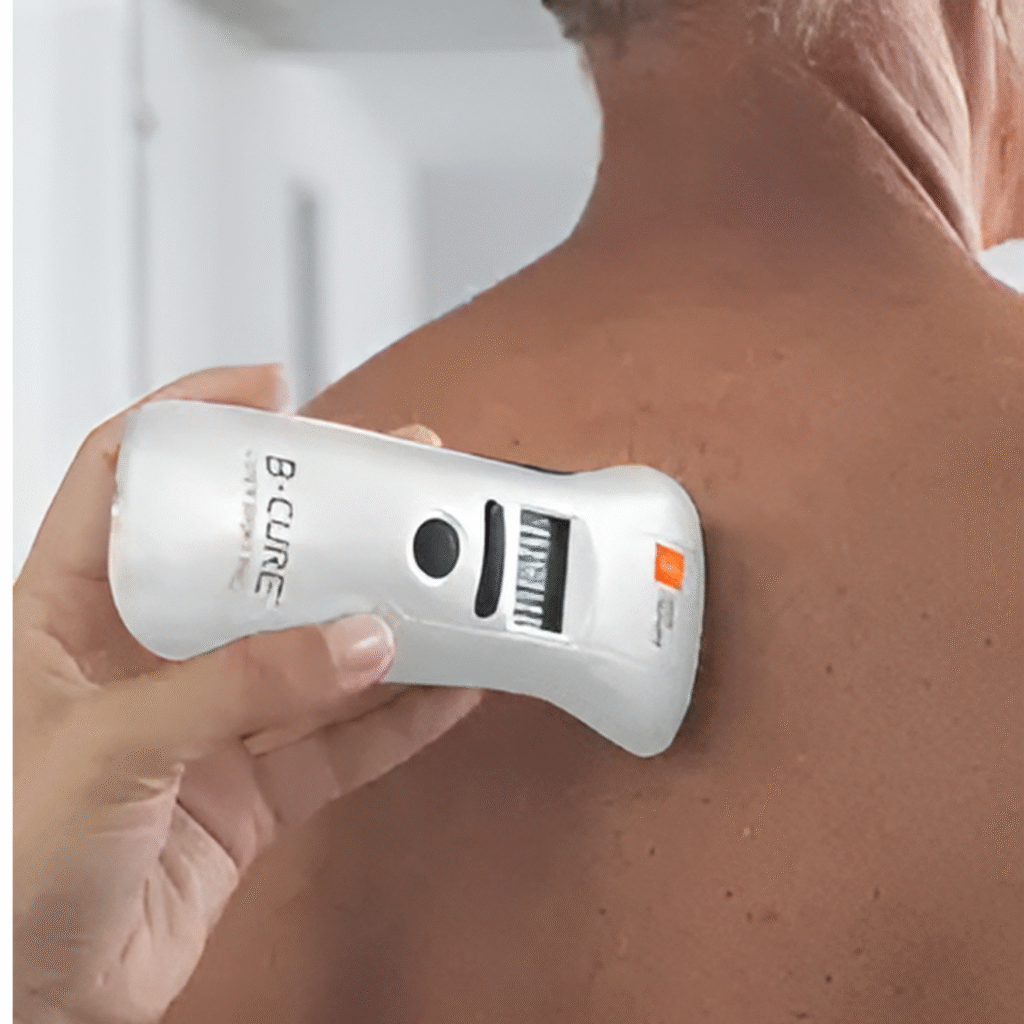
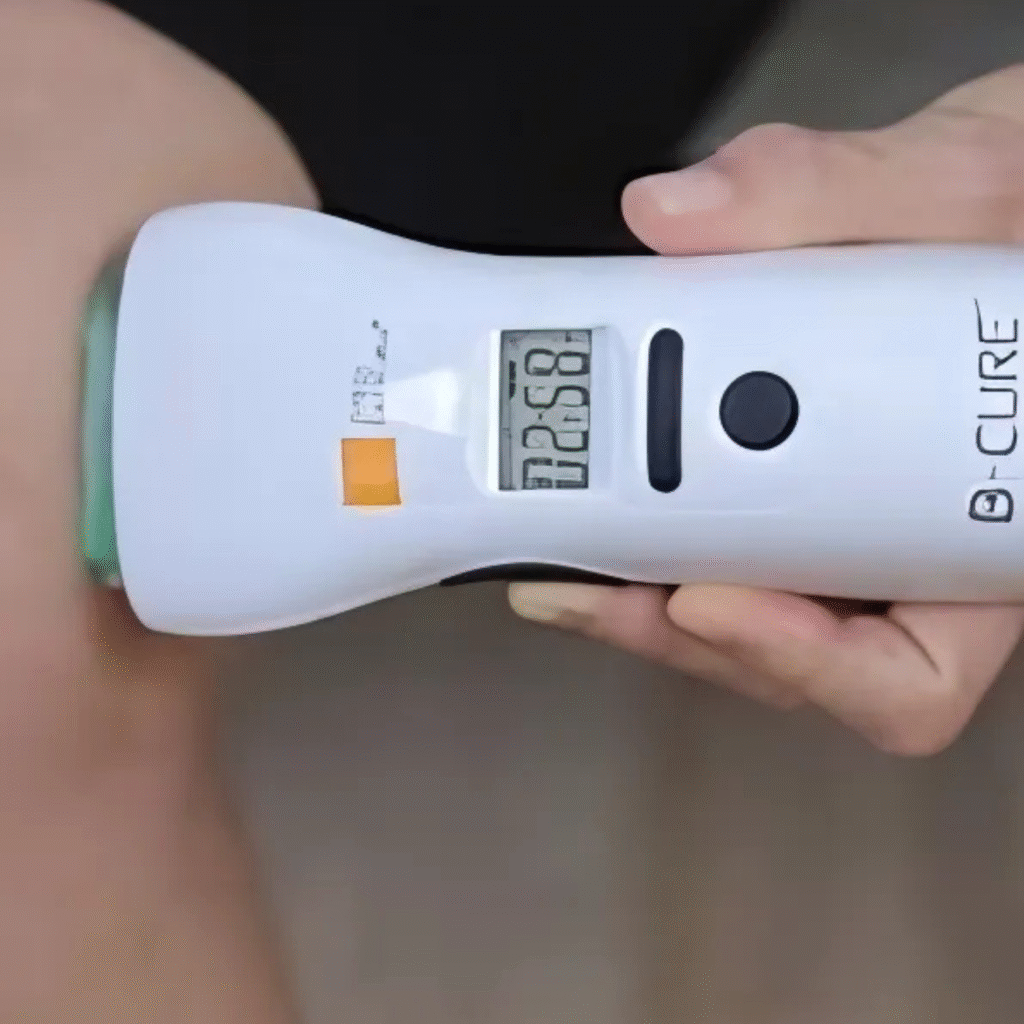
- Place the laser head directly over the painful or injured area.
- Hold it still for the programmed duration (usually a few minutes).
- Repeat once or twice daily until symptoms improve.
Because LLLT works cumulatively, consistent, daily use is important—occasional treatments may not give the same results as a 2–3 week continuous protocol. This is one of the main reasons to own a home device instead of going to a clinic every day.
What the Studies Say
B-Cure Laser’s site and distributors reference human clinical trials showing:
- Significant pain reduction vs. control groups
- Lower local inflammation
- Faster functional recovery following surgery or orthopedic problems
For example, a study on self-applied photobiomodulation after shoulder surgery reported faster pain reduction at 3 and 6 months compared with routine rehab alone. Another trial on joint-related pain showed about 50% pain reduction in two weeks versus only 8% in the control group.
It’s also worth noting that thousands of studies on LLLT in general (not only B-Cure) have found consistent positive effects on musculoskeletal pain, especially when correct wavelengths and dosing are used. This gives the technology broader credibility beyond a single brand.
Who Is It For?
B-Cure Laser may be a good option if you:
- Struggle with recurring or chronic pain
- Want a non-drug, non-invasive option
- Are managing sports-related injuries at home
- Need a device that multiple family members can share
- Prefer to add a physical therapy element to your current medical care
Safety, Warnings, and Realistic Expectations
While LLLT is generally considered safe, a few points are important:
- People with very sensitive skin, active cancer in the treatment area, pregnant women, or users with implanted electronic devices should consult their doctor first.
- Because LLLT can support blood flow and cell activity, it may temporarily increase sensation in some people before symptoms improve.
- It is not a substitute for emergency care, imaging, or physician-guided treatment of serious injuries.
- Results can vary—some people feel relief in days, others need longer, especially in long-standing conditions.
Why a Home Laser Makes Sense
Pain is often daily—treatment should be too. Having a B-Cure Laser at home removes the barrier of appointments and travel and makes it more likely you will actually complete the protocol, which is essential for this kind of therapy. That convenience is one of the biggest selling points of the device.
Final Thoughts
The B-Cure Laser brings clinical-style low-level laser therapy into the home in a simple, handheld format. It targets one of the biggest needs today: safe, repeatable pain management without drugs. Backed by LLLT research and supported by specific B-Cure studies, it can be a valuable add-on for people dealing with chronic pain, orthopedic problems, or slow-to-heal injuries—especially when used consistently and alongside medical advice. If you’re looking for a non-invasive, evidence-backed way to help your body heal itself, this kind of soft-laser device is well worth considering.
As an Amazon Associate I earn from qualifying purchases, at no extra cost to you.